Sample Chapter
Dear life,
Thank you for sending me on this magnificent journey.
I am far from home, but I know my real home is with you,
wherever that may physically take me.
Thank you for allowing me to see all of the magic you’ve
created through the people I meet, the places I go,
the languages I hear, and the food I eat.
May I always remember my purpose—
to experience and feel the full depth of living,
and remember that my way is not the only way.
Thank you for guiding me and loving me fully.
For returning me to myself.
And for bringing me home.
Over and over again.
INTRODUCTION
Setting the Foundation

Fourteen times. By the age of thirty, I’d moved to a new house or apartment fourteen times. Many of those moves happened within Buffalo, New York, where I grew up and spent the first twenty-three years of my life. But it wasn’t until the farthest and most recent move—from Toronto, Canada, to Dubai in the United Arab Emirates—that I started to see moving as a defining thread in my life.
In the past, I measured myself by my relationships and career changes. Those were the areas I believed my worth was drawn from. Was I in a relationship? Often, yes. Was it a good one? Often, no. And was I making money? Was it by doing something I enjoyed? This question always made me hesitate. I had jobs I was good at and valued for, but I felt like I was wasting my time and that I was missing a bigger purpose.
After leaving a long-term relationship and my last corporate job in Manhattan in 2013, I was finally listening to my heart when it came to what it really took for me to be happy. But I was also lost. Now what do I define my own value by? How do I have the relationship I’ve always wanted? And how do I create a working environment that doesn’t feel like work? I envied the people who claimed they had it all. As much as I wasn’t sure if that life was real, I wanted to try and create my version of it anyway.
Luckily, I grew up around parents who dabbled in the person al development and self-help industry. We also weren’t averse to going to therapy or talking to counselors. Throughout my childhood, my mom would play inspirational, more spiritually leaning tapes—in the house, in the car, and anywhere she possibly could. As a teenager, I found this practice suitably annoying and refused to pay attention. My dad, on the other hand had a real flair for business and finance, and he often ended up sounding like a motivational speaker. Good habits, mental discipline and hard work were the cornerstones of success. This I also ignored for a while. Having these ideas float around me my whole life might have motivated me subconsciously, but I didn’t consider their value until this new identity-crisis point in my early twenties.
I wondered to myself, why did my family have all this information around us, and yet I was still feeling totally clueless? Didn’t I know by now that my thoughts created my reality, that I just had to discipline myself and “want it bad enough” or have faith? I decided that if I was going to make any kind of change, I had to take it a step further. What did that mean for twenty-four year-old me? I did what any financially savvy young person on aNew York City budget would do: I handed my trusty credit card over to my very first life coach and maxed it out on the very first payment
A quick aside: mentioning life coaches can cause people to roll their eyes, as they imagine vegan gatherings, drum circles, or a walk over hot coal. I’ve attended two out of three of those things—I’ll let you guess which. . . .
In my experience, a good life coach is trained in supporting you to achieve a certain goal and mixes action-based work with emotional-based work. They often do this by creating a plan of specific actions for you to take to reach your goal, coupled with an in-depth look at the beliefs and thought processes that might’ve been stopping you from taking those actions on your own. Working with a coach can range from identifying trauma from your childhood that’s holding you back to creating a healthy lifestyle and identifying the reasons you emotionally sabotage your diets.
Having used counseling, therapy, and now coaching at different stages of my life, coaching has been the place where I felt my actions were actually changing and I wasn’t just gathering a logical understanding of what was causing my problems. If you need support to function normally in life, I suggest working with a clinical professional like a psychologist first. If you want to make improvements in your life to further benefit your experience, go with a coach. This is only my personal opinion; you must do what’s best for you.
Getting back to the twenty-four-year-old NYC me, I felt like I’d tried it all, and just going to therapy and reading books weren’t cutting it. Maxing out my credit card was a risk I thought I had to take when I couldn’t stand repeating my mistakes anymore. I wanted someone to hold me accountable to what I said I wanted and who I wanted to be. Within months of working with my first coach, I got so enveloped in the personal-development world that I started working in it myself—editing other coaches’ courses and books, becoming an assistant coach, and helping them run their businesses. Not only did I learn how coaches do what they do and how it impacted my own life, but I got to see how other people were changing their lives too. And my life really did change.
Over five years of having support, practicing self-reflection, and being single helped more pieces of my life come together. I got to know who I was without the roles I had taken on: the giving one, the mature one, the strong one, the smart one, and the kind of bratty, independent one. I learned why I allowed myself to be and stay in relationships that were unhealthy and noncommittal, and how to be more honest with who I was in the world. Doing so gave me tools to fall back on when I was depressed about my move to Dubai and new identity as a wife. Though I no longer work for coaches now, I still hire them when I want them. In fact, my last coach, Amanda, officiated my wedding.
Having support in my life continues to break open everything I thought I knew about who I was and allows for a version of myself I thought was reserved for women born into different lives or circumstances. Within the pages of this book, you’ll hear of some lessons I gleaned from the coaches in my life. There are personal stories both before my move to Dubai and during. I will share with you the story of finally being with my husband, a man whom I had essentially rejected ten years prior to our wedding because he was “too good for me.” He is the man who led me on my journey to the desert and the journey to creating this book. I will share with you the awkward and painful pieces of moving transition that stuck out most to me, and the tools I’ve gathered along the way to help get through them.
Keep This One Thing in Mind
What I deeply want for you to hear before you go further is that there is no award for the fastest completion of the exercises in these pages. There is no quiz at the end to see if you are “over”your grief or your discomfort from your move. Because you won’t be over it—not with the first reading, and not unless you’re also listening to yourself.
I also ask you to commit to being here for yourself through thick and thin, and to love yourself when you’re a mess—especially when you’re a mess. Because you’re not going to get it right all the time. There are still some days where I wonder how long we’ll be in Dubai and how hard it will when we move again. I will need my own book then just like you need it now. That’s the truth and it’s okay. It’s time to stop trying to be perfect.
Throughout the writing and editing of this book, I traveled and visited family. Family came to visit me. New friends moved away. And what that taught me was that in fact, the grief and discomfort actually never end. There is always a new transition that appears, and that’s the life we’ve signed up for. For so long I believed that if I just hired the right coach or read the right book everything would be right in my life and I would never experience sadness, fear, or anxiety again.
I want us to let ourselves off that hook together. My coaches didn’t fix my life, but they guided me to do it myself. When I didn’t listen to them, nothing changed, and I still had to pay the invoice. This book will not save you from yourself or from some struggles, but it will help you get to know yourself better. To be a better friend to yourself when you need it most. Trust that there’s even just a little information here to help you. We’re here in it together. I’m grateful you’ve decided to hear to my version of the experience of moving across the world.
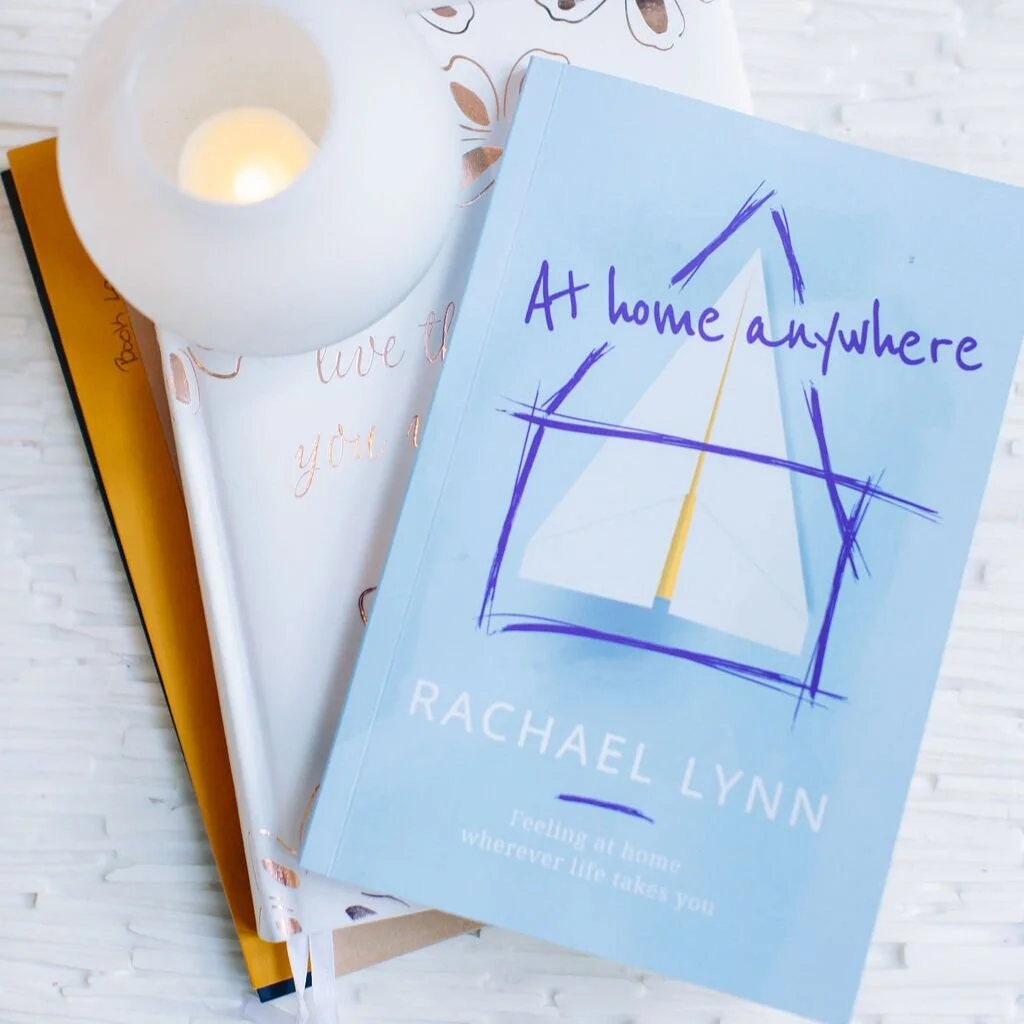
A disclaimer: There are women all over the world who have moved more times than I have, who have moved to more challenging places—remote places where they can’t speak the language or places that put their families at risk. There are women who have gone through the trials of losing a family member when living far away, and of birthing, schooling, and homeschooling their children. Those have not been my experiences and I can’t claim them to be. I am writing from a white-privileged, able-bodied, passport-privileged, financially privileged, pre-motherhood place. Really, I’ve got it easy.
The depths of my transition may not compare to yours in the same ways. That’s the truth of it, and I also know that some of the activities we go through in this book together can still support you. Our foundations are the same— we have transitioned and we feel alone. I believe so deeply in my core that connection with ourselves and the right community will get us through anything. I hope that I’m right, and I hope that you’re open to hearing what’s meant for you.